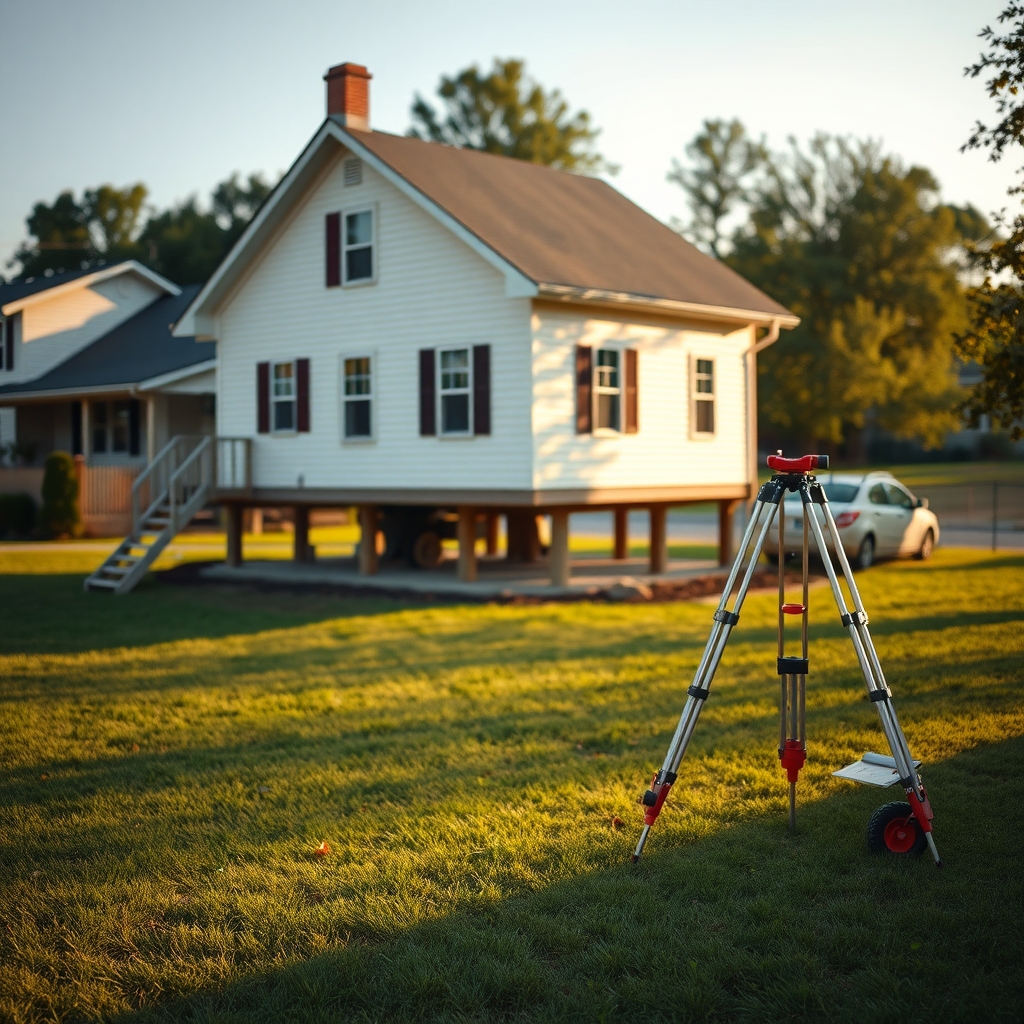
Flood insurance costs in a high-risk zone are not a single number, and the zone letter alone will not let you estimate one. FEMA prices policies per property, using factors like distance to a flooding source, elevation, replacement cost, and the type of flooding the property faces. Two houses mapped into the same Zone AE can be quoted very differently.
So the useful question is not "how much is flood insurance in Zone AE." It is "what drives this specific property's premium, and can any of it be changed."
What actually drives the premium?
These are the factors an agent will collect, roughly in order of impact:
| Factor | What it means | Can you change it? |
|---|---|---|
| Flood risk rating for the property | Distance to water and modeled likelihood for this location | No, it is a function of the property |
| Elevation relative to the base flood | How high the lowest floor sits versus the expected flood level | Rarely, and only with major work or an amendment |
| Replacement cost | What it would cost to rebuild, tied to coverage amount | Yes, by choosing coverage limits |
| Building characteristics | Foundation type, number of floors, basement or enclosure | No |
| Mitigation features | Venting, elevated utilities, flood openings | Yes, over time |
| Deductible | What you pay before coverage applies | Yes, directly |
The first two are the reason you cannot price a policy from a zone letter. A house on a rise inside Zone AE and a house at the water's edge inside Zone AE share a zone code and almost nothing else.
Why did pricing change so much?
FEMA's pricing methodology shifted to Risk Rating 2.0, which prices policies using property-level characteristics rather than primarily the flood zone and elevation. The National Flood Insurance Program's insurance cost page notes that a premium is unique to a property, based on several factors, and that mitigation can reduce it. That is the official framing: not one rate table, but a per-property calculation.
For a buyer, the practical takeaway is to stop thinking in averages. Any article quoting "the average flood insurance premium" is describing a national mix of coastal, riverine, and inland policies. It will not predict your quote.
How do you get an actual number?
- Get the zone and the elevation information first. Zone letter from FEMA's map, plus an elevation certificate if one exists.
- Contact a flood insurance agent and ask for a quote on the specific address with a specific coverage amount and deductible.
- Ask for two deductible options. The deductible moves the premium more than most buyers expect.
- Ask what mitigation would change the price, and what documentation it needs.
- Get it in writing before your inspection contingency ends.
Quotes are free. The only cost is a phone call and some patience, and it is far cheaper than discovering the premium after you are contractually committed.
What does coverage amount have to do with it?
Everything, since premium scales with how much building and contents coverage you buy. Two decisions matter:
- Building coverage. Usually set near the replacement cost of the structure, or at the maximum the program allows for a residential property. Underinsuring to cut the premium leaves a gap you cover yourself.
- Contents coverage. Separate from the building. Renters buy contents only. Owners often assume contents is included when it is a separate line.
A $250,000 building policy and a $150,000 building policy on the same house are different products with different premiums. Comparing quotes without comparing coverage is the most common mistake in this whole exercise.
Is the premium worth it?
Run it as a monthly cost, not a closing cost. Annual premium divided by twelve, added to your mortgage payment, taxes, and homeowner's insurance. Then compare the two houses you are considering on that total.
Then consider what the policy actually does. Homeowner's policies typically exclude flood, which is why the separate policy exists. In a high-risk zone with a federally backed mortgage, the lender will generally require it anyway, so the decision is about coverage level and deductible rather than whether to buy.
There is a second category of buyer here: the one in a moderate or low-risk zone where insurance is not required. The honest math there is different, and it comes down to whether you could absorb a flood loss yourself. Basement water and flash flooding happen outside mapped high-risk areas, which is why the NFIP recommends coverage in B, C, and X zones too.
What can lower the premium?
- An elevation certificate. Not required to buy insurance, but it can support a lower rate if the elevation is favorable.
- Mitigation work. Flood openings, elevated utilities and mechanicals, and similar changes can be rated.
- A higher deductible, if you can absorb the difference.
- Accurate coverage amounts. Overinsuring beyond replacement cost does not buy you more than the loss.
The NFIP publishes discount information and a mitigation checklist, and an agent can tell you which apply to a specific property. Ask before closing, not after.
Where does a paid report fit?
It does not replace a quote. A $9 report cannot price your policy, because only an underwriter can. What a report can do is organize the zone meaning, the premium drivers, the questions to ask, and how the zone has changed over time into one document you can take to an agent or a lender.
FloodLens's report is 10 pages and costs $9, and the free address lookup that gives you the zone letter stays free. If you are comparing several properties, the free zone check is the fast way to triage which ones deserve a quote, and the paid report is optional after that.
The thing to avoid is treating any third-party number as a quote. Premium ranges are estimates. Agents quote. Underwriters price.
A budgeting checklist for buyers
- Zone letter confirmed on FEMA's official map, with the effective date
- Elevation certificate requested from the seller
- Two written quotes with different deductibles
- Coverage amount compared, not just premium
- Contents coverage checked as a separate line
- Annual premium divided by twelve and added to the monthly payment comparison
- Mitigation discounts asked about explicitly
This is general information about flood insurance pricing, not professional advice. Premiums, requirements, and available discounts vary by property and location. Get quotes from a licensed insurance agent and confirm requirements with your lender.